
By Mike Silva-
Over the past two decades the decline of huge stadium events in America, an increasingly electronically-connected society, and frequent criticisms of mass evangelism’s weaknesses have prompted some theologians to waffle by declaring the demise of this kind of biblical “soul harvesting.”
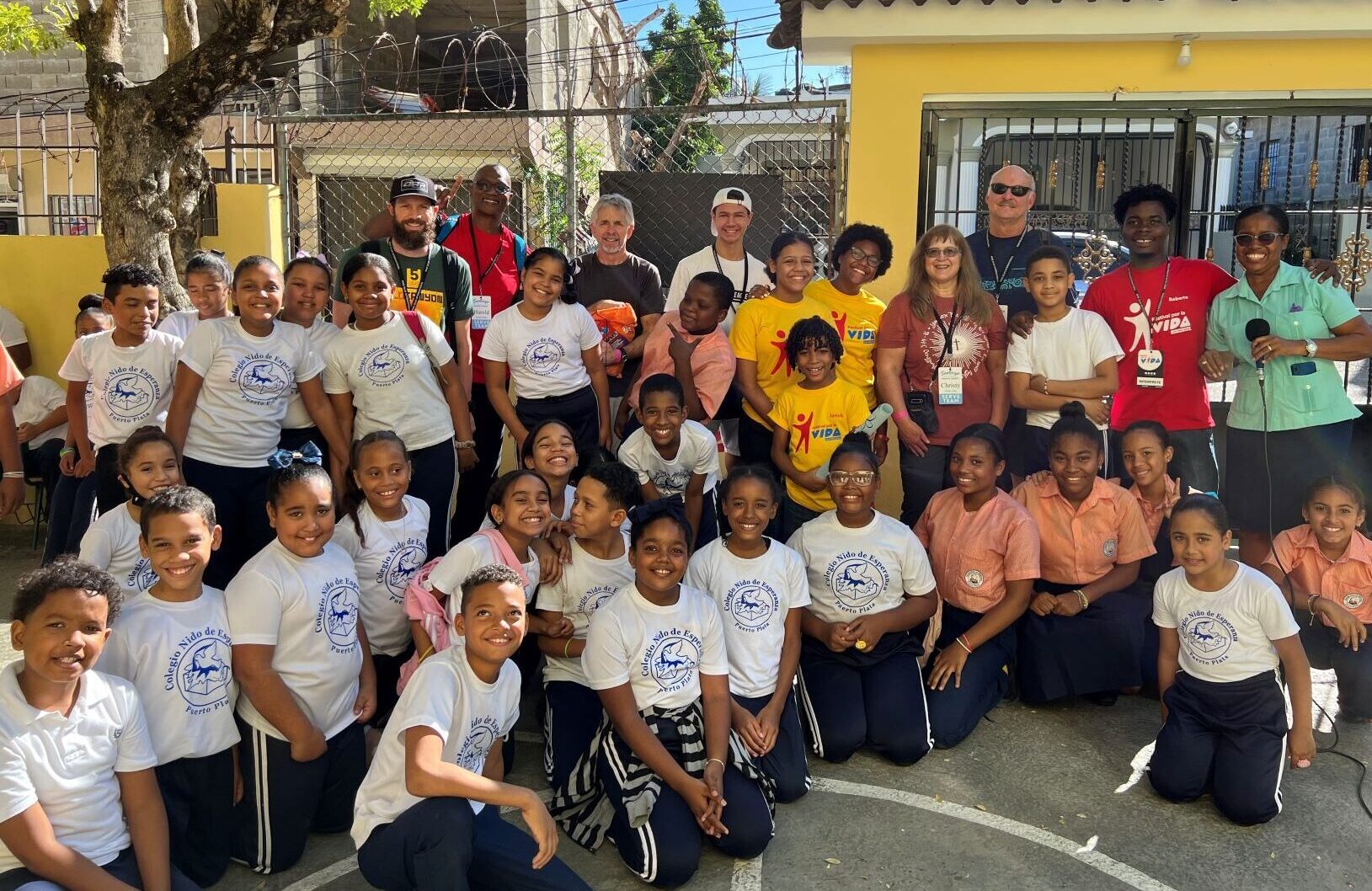
However, this isn’t true in Latin America, where I speak regularly to crowds numbering in the tens of thousands. In a culture that values relevant festivals and family-oriented events, churches still have an affinity for mass evangelism. As in centuries past, it is building the New Testament church by combining two strengths.
- The gifts of local churches and pastors, who have established relationships within their community, know people’s needs, and can follow up on decisions they make.
- The evangelist’s calling to enthusiastically preach the gospel. Pastors and evangelists are two of the five-fold ministry gifts that Paul said Christ gave us to build up the church (Ephesians 4:11).
What is so great about this method? The energy generated by huge crowds, excellent musicians, and a positive message creates excitement. Particularly the latter—offering the opportunity for a new life counteracts the negative outlook that permeates modes of modern communication. Proclaiming Christ is still fresh, infusing listeners with optimism and hope.
After years of evangelizing across the region, our ministry is now making it a point to return to some of the same cities. This has prompted many friends and supporters to ask, “Why return when there are so many others where you haven’t conducted outreaches? Aren’t we supposed to take the message of Christ to ‘all the world?’”
That is a great question. There are many reasons to revisit an area. Here are three elements that I think every evangelist and pastor needs to consider as they prepare to do an outreach:
1. Building Relationships
Good relationships with pastors and church leaders are an integral element of evangelizing a particular area. Sadly, some past, unethical figures who came to certain countries expecting huge honorariums and royal treatment have planted seeds of suspicion and doubt. No matter what the location, one of the biggest hurdles I face going into any city is pastors who wonder: “Who is this Mike Silva? Can we trust him? Will he hurt my ministry? Will he financially plunder my church?”
It takes considerable effort to build relationships and assure people that we are there primarily to spread the gospel. Naturally, while our staff can’t afford to work for free, local leaders need to know that our “bottom line” is seeing people follow Christ. Most often, we have to demonstrate that first to earn respect.
Another reason related to trust is finances. It costs thousands of dollars to fund media placements, buy meals, travel to pastoral meetings, and pay other expenses associated with entering a city for the first time.
As one example, a Latin American contact suggested two familiar areas as candidates for festivals, with the possibility of attracting 30,000 people per night. Producing these events will cost between $65,000 and $70,000, plus the expense of hiring musicians.
Now, if we weren’t already known, we would have to spend more to lay some groundwork. Part of the expense comes from “discovering” media resources. In these two cities, we already have lists of TV and radio personnel, printers, and sound and lighting technicians.
2. Capitalizing on Testimonies
Another reason to return to an area is the credibility established through past converts who have not only made a decision to follow Christ but stuck with it.
People who have turned their back on drugs or alcohol, or whose marriages represent islands of calm in a sea of conflict, offer testimonies that can inspire others. We love videotaping their stories to show during the festival; some people would be too nervous to stand before a throng to relate their experiences.
Such testimonies can help strengthen the younger generation that has matured since my last visit. Children who were three, four or five years old may now be young teens. People who were teens when I originally spoke there may be in their early 20s and already scarred by abandonment, divorce, abuse or drugs.
Whatever their age or circumstances, young people are encountering new circumstances, challenges and questions. Those who have seen the world fail to deliver the fulfillment it promised are asking: “What am I missing? What is my purpose in life? Can God help me? And if so, how?”
3. Following a Biblical Model
“Going back” also represents a biblical model, based on Paul’s missionary journeys. His first mission started in Antioch, a city he would revisit on his second and third trips over a period of 13 years. Paul and Silas also stopped more than once in such places as Caesarea, Philippi and Thessalonica.
Paul did so because he longed to encourage the church and Christ’s many followers. A second visit created an additional harvest while strengthening the church. This kind of building creates those “living stones” that Peter describes in 1 Peter 2:5.
Sometimes, there are even more basic reasons for returning.
Once, I stopped for one night in a Central American city, with only one Latin American partner accompanying me. We had no musicians, no radio and no TV coverage. We were so low key that city officials did not realize we were there!
Again, in another location, I had a one-night visit scheduled with no musicians and little publicity. That night a storm erupted and left us with no electricity, no amplification and no chance to preach. In the spirit of Paul, I believe I should schedule another trip to that city so I can proclaim the gospel and build up the church there.
This isn’t to say that I will necessarily go back to every area where I speak. Sometimes, the church-at-large in an area isn’t ready to host a festival, the event doesn’t prove that productive, or the timing and other logistics don’t work out.
Yet, in the same way a garden grows with cultivation, tender care, and prayer, returning to a city can reap a harvest that will last for eternity.